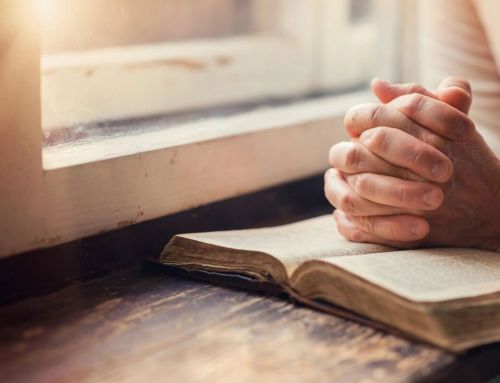
As the season of Advent begins, Christians around the world prepare their hearts to celebrate the birth of Jesus Christ. Advent is more than a countdown to Christmas—it is an invitation to slow down, reflect, and remember why the coming of Christ was not only miraculous but absolutely necessary. Before the angels sang in Bethlehem (Luke 2:8–14), before shepherds knelt (Luke 2:15–20) and wise men journeyed (Matthew 2:1–12), the story of Christmas had already begun—in the very first pages of Scripture.
To truly grasp the beauty of Christ’s birth in the Gospels, we must look backward to the beginning, to Genesis 1–3, where the foundations of God’s redemptive plan are laid. In Genesis 1, we meet a God who speaks creation into existence with perfection and purpose (Genesis 1:1–31). Humanity is formed in God’s image (Genesis 1:26–27), created for fellowship with Him and stewardship over His world (Genesis 2:15). But by Genesis 3, sin enters the story. Adam and Eve choose independence over intimacy, distrusting the word of God (Genesis 3:1–6). The harmony of creation is shattered (Romans 5:12), and humanity is separated from the holy presence of God (Genesis 3:23–24).
Yet even in the tragedy of the Fall, God speaks a promise—the first whisper of Christmas. In Genesis 3:15, God declares that a “seed” from the woman will one day crush the serpent’s head. This verse, often called the Protoevangelium—the “first gospel”—points forward to Christ’s victory over sin, death, and Satan (Hebrews 2:14–15; 1 John 3:8). It is the earliest glimpse of the Messiah who will undo what sin has broken.
Advent pulls our eyes back to this promise. It reminds us that the manger in Bethlehem (Luke 2:7) is not a standalone moment but the fulfillment of a plan set in motion from the beginning. The prophets echoed this promise throughout the Old Testament: a virgin would conceive (Isaiah 7:14), a child would be born who is “Mighty God” and “Prince of Peace” (Isaiah 9:6–7); a ruler would come from Bethlehem whose origins are “from ancient days” (Micah 5:2). Jesus Himself affirmed this continuity, saying that the Scriptures testify about Him (John 5:39), and that He came not to abolish the Law or the Prophets but to fulfill them (Matthew 5:17).
In looking back to Genesis, we rediscover the depth of our need and the greatness of God’s love—a love that stretches from creation (Ephesians 1:4) to the cross (Romans 5:8), from the Garden to the glory of His second coming (Revelation 22:12–13). Jesus is not simply a baby born into the world; He is the promised Redeemer, the Light who shines in the darkness that began in Eden (John 1:1–5). He is the One who brings life where sin brought death (John 10:10), reconciliation where sin brought separation (2 Corinthians 5:18–19), and hope where sin brought despair.
As we journey through Advent, may our hearts be humbled by the story that began “in the beginning” (John 1:1) and filled with wonder as we celebrate the One who came to restore what was lost. Advent is not merely about waiting for Christmas—it is about remembering God’s faithfulness through every generation and rejoicing that His ancient promise has come to us in Christ (Galatians 4:4–5).